It’s Actually OK to Cry
Go ahead and cut some onions, why don’t you
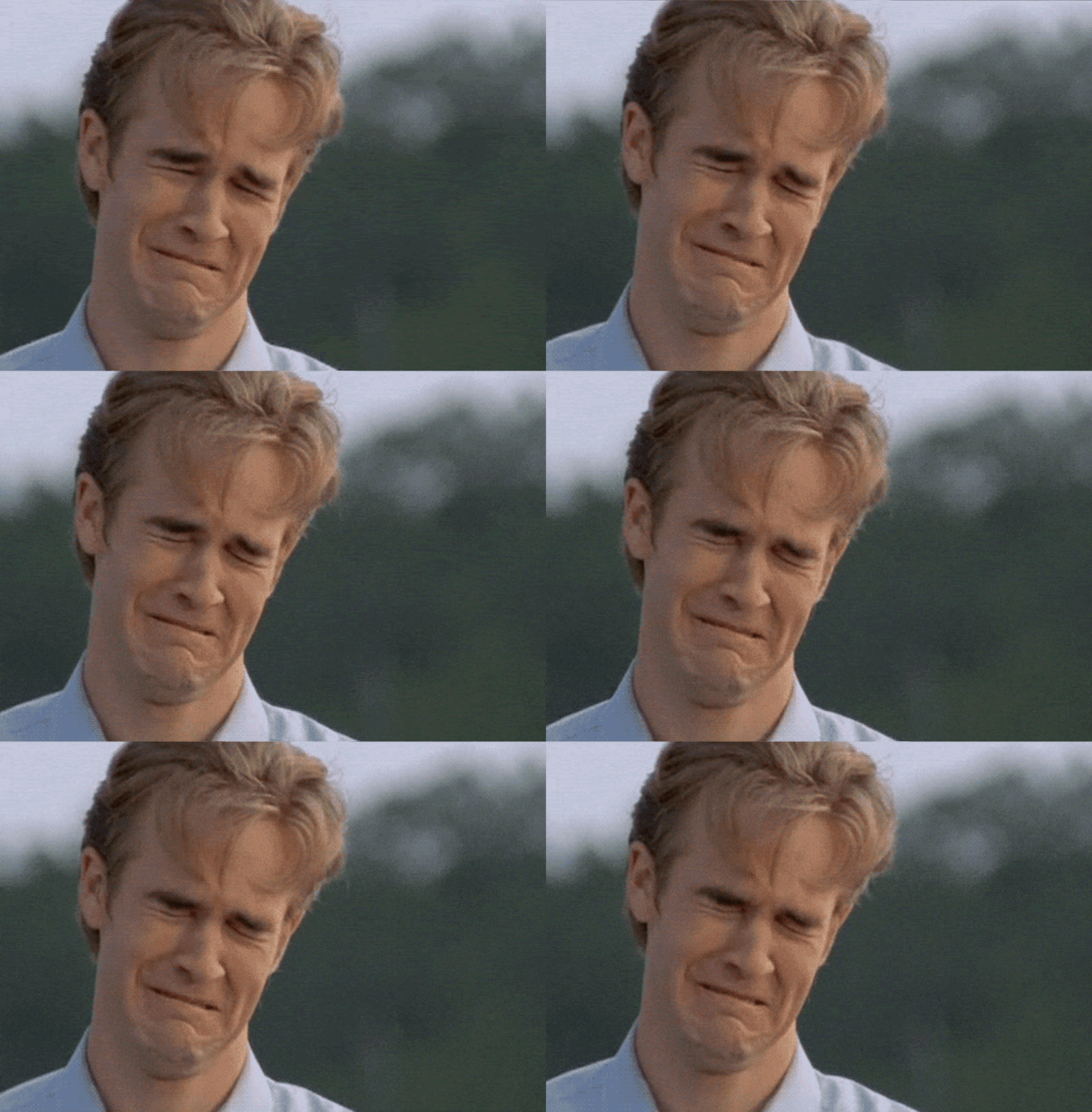
Source: GIPHY
I weep like a willow. It’s my body’s normal reaction whenever I’m overwhelmed with emotion. Recently, I was crying while watching a very Mr. Rogers-esque episode of Caitie’s Classroom that showed kindergartners what their first day of school might be like, when my three-year-old approached me with a cloth, dabbing my face (albeit quite aggressively, in a toddler way) and asking, “Do you want a cuddle, or do you want to be alone?”
Then I cried all over again because I realized maybe I’m actually a good mom.
Growing up in the ‘90s, many of us were told that crying was a sign of weakness, lack of control or some serious issue. We were made to believe that people cried either because they couldn’t keep their emotions in check or because things were so dire they couldn’t hold it in anymore. I rarely saw my parents cry, and when I did, it was usually because something serious was happening.
Characters like Harold in Hey Arnold cried easily but tried to suppress it and were the butt of a lot of jokes. He was seen as pathetic and weak-spirited. And who could forget that iconic scene in Boy Meets World when Topanga and Cory found out marriage wasn’t all it was cracked up to be? Her crying was a sign that something was seriously wrong, and the way she talked about it made it sound like she’d never cried a day in her life.
Kids like me who cried often and easily were made to feel like babies, and parents and teachers said we needed to straighten up and get a stiff upper lip. I remember being eight years old and thinking no one wanted to play with me when my older sisters had friends over, so I went to my closet and cried. Eventually, they heard me, came to check and dismissed my feelings, saying I was just too young. The implication was that I was annoying and needed to get over it.
But for me, it wasn’t something I could control. And, of course, telling me to stop crying just made me cry more. Once I started crying, I felt like no one listened to me anymore. I was ashamed of my emotions and felt like something was wrong with me.
What Parents Are Doing Now

Helping their kids understand their emotions

Not telling their kids to stop crying

Working on self-regulating their own emotions
Crying is Normal and Good for You
I was diagnosed with depression at 33, and when I became a mom, I knew I’d need to prepare my children to understand why I cried so much.
I also knew I wanted to handle my children’s crying differently than how it was handled when I was younger. Part of my therapy was learning to identify emotions. It helped me move from “What’s wrong with me?” to “What’s eliciting this response?” I learned not to fight tears but to move through them. Similar to what I learned in therapy, I want my kids to understand crying as a physiological response.
I’m not bothered when my kids cry. I try to talk them through it, moving backwards through events to try to understand what caused those feelings. Then I ask if they’d rather be left alone or if they’d like someone with them while they cry. Either way, when they’re ready, we go back to what we were doing.
The response from other adults has been mixed, regardless of generation. Some have been understanding and even impressed. Others have not been so accepting, saying things like, “You don’t have to cry!” And at least one other mom has shaken her head and said to me, “I couldn’t just let my kid cry in my lap like that. It would break my heart.”
But because of this approach to crying, my girls have not only been better about self-soothing and articulating their feelings, but they also do a good job of identifying when someone else needs comfort, including their own mother.
Around the Web
Keep reading

What’s So Boring About a Restaurant Anyways?
Whenever we take our kids out to restaurants, half of my bag is usually filled with stuff to entertain them. Crayons and paper, stickers, Hot Wheels cars, fidget spinners, and a pre-meal snack – anything to keep toddlers cheerful and calm.…
Who Can Afford to Stay at Home?
Even before I ever had kids, I knew I didn’t want to be a stay-at-home mom if given the choice. I have always been career focused and taken pride in earning my own money.…

Are You What You Eat?
My toddler’s behaviour around food can only be described as fickle. Some nights when I make spaghetti bolognese, he laps it up at the dinner table, shovelling the noodles into his mouth with joyful energy and staining the skin around his lips with red sauce.…